The Relationship Between Fashion & Art?
Fashion has made its way into prominent museums, and artists are being enlisted into high-profile fashion houses.
Artspeak is the term used for writing about art that is particularly jargon-ridden, turgid, complex, and obscure.
One way of arriving at a better understanding of Romanticism is through the way they approached the image.
It doesn't take much to see that the line between fashion and art has rapidly begun to collapse in the last two decades.
There is now so much information about art that we have lost the art of ‘just’ looking.
The question of what art is and what makes good art are related questions.
The Psychology of Cosplay
Cosplay (‘costume play’) communities, and psychology underpinning them, is one based on numerous levels of non-reality and disavowal.
NFTs—non-fungible tokens—promise a new way to own art and are yet another step in the already troubled debate about what we call original and what we call a copy… But in the age of memes and digital reproduction, should we even try to salvage the idea of the original? And then there’s the other old chestnut of art’s commodity status. We'll discuss these ideas alongside two twentieth-century philosophers: Walter Benjamin and Theodor Adorno.
The gaze is a form of looking that is not passive but active, searching and desiring.
Monet and his circle of Impressionist artists are perhaps the most loved group of artists of any time, spanning many nationalities, not limited to Western taste.
Fashion continues to have an ambivalent role in the public consciousness: it can be seen as frivolous and a vehicle for the rich and glamorous to flaunt what they have.
Hyperreal sculpture is striking stuff, and it is hard not to find anyone who does not find it compelling and fascinating if only for the simulation of life and the sheer skill and effort devoted to it.
'Avant-garde' is a term that is applied to modern art and artists who were ahead of their time and who pushed the boundaries of content, taste, and style.
For over twenty years, many critics, bloggers, artists, and more have complained that art has lost its edge.
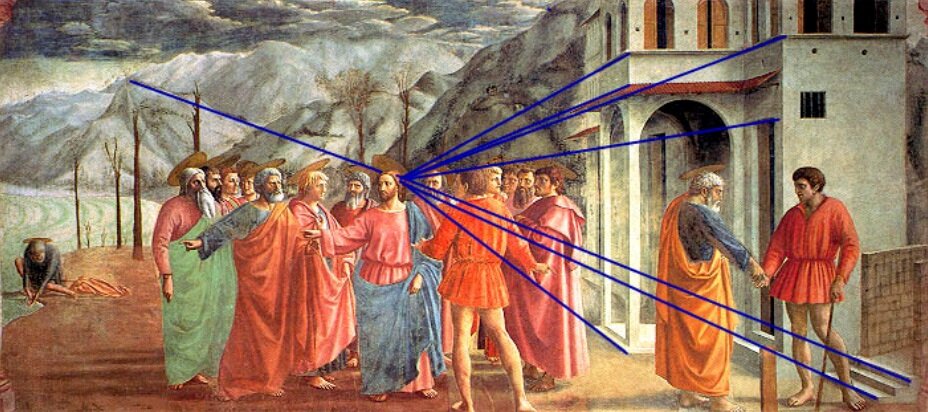
The organization of space within painting has undergone revolutionary developments: the first is with one-point perspective in the Renaissance, the second is with Cubism.
Museums are something we take for granted when we want to view art, yet they have only really been with us since the end of the eighteenth-century.